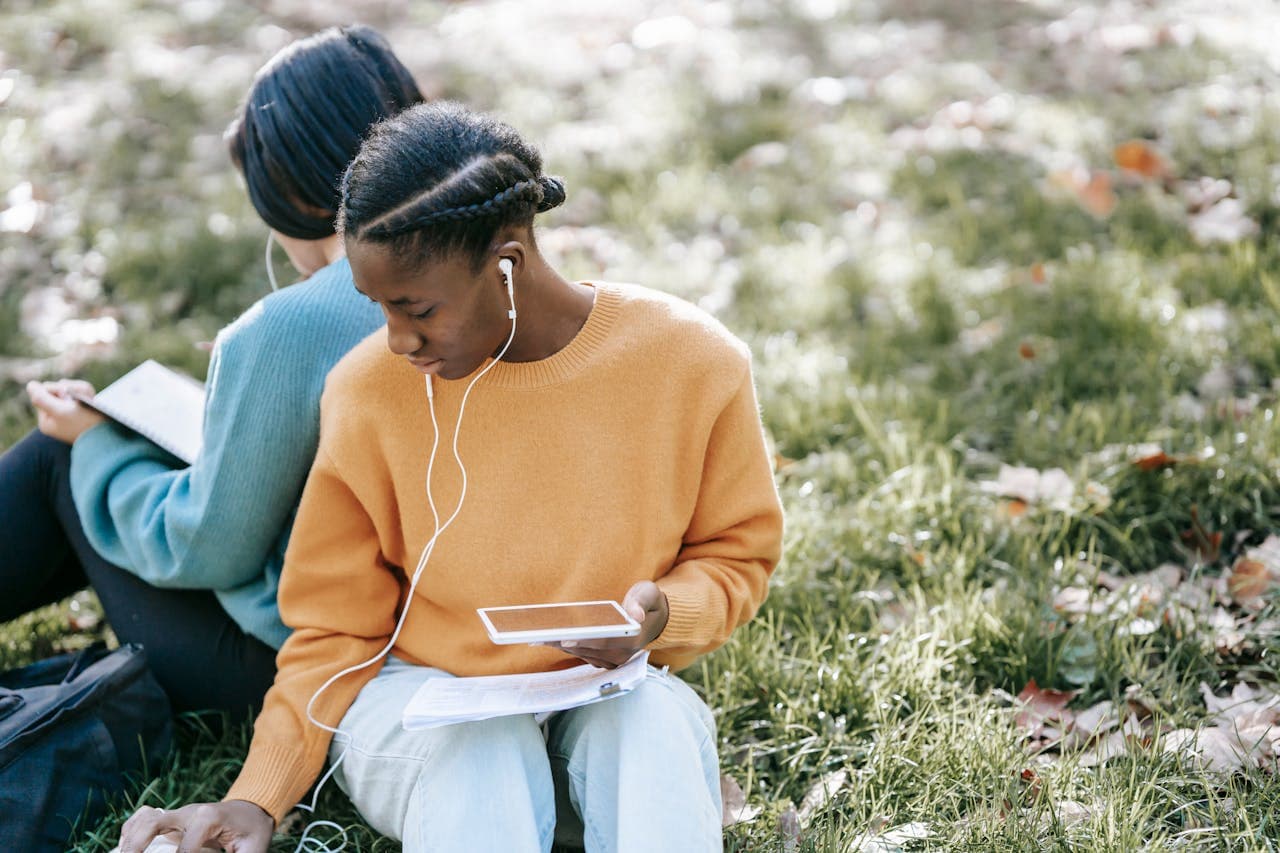
Teenagers today are increasingly seeking mental health support from friends, family, digital platforms, and social media, instead of traditional resources such as therapists and counselors. This trend stems from various challenges, including high costs, a lack of diversity in caregivers, and an overloaded health care system. Reflecting on my teenage years from 2015 to 2023, I witnessed a significant shift. We used social media platforms like YouTube, Tumblr, and TikTok not just for entertainment but also for comfort, community, and resources during tough mental health phases. However, as the internet and social media mature and lose their original novelty, teenagers find themselves deeply isolated in an increasingly online world. We must continue to build infrastructure that accounts for how modern teens care for their mental health. This begins with acknowledging that the digitally native generation yearns not only for online resources but also for face-to-face support, and we must create the necessary infrastructure to support that need.
