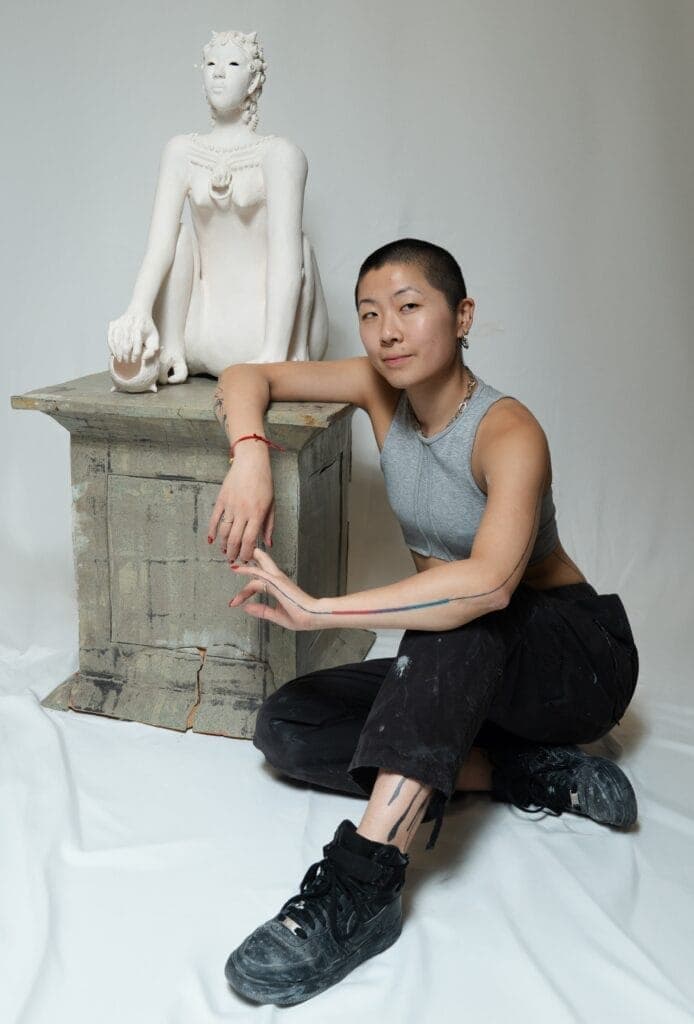
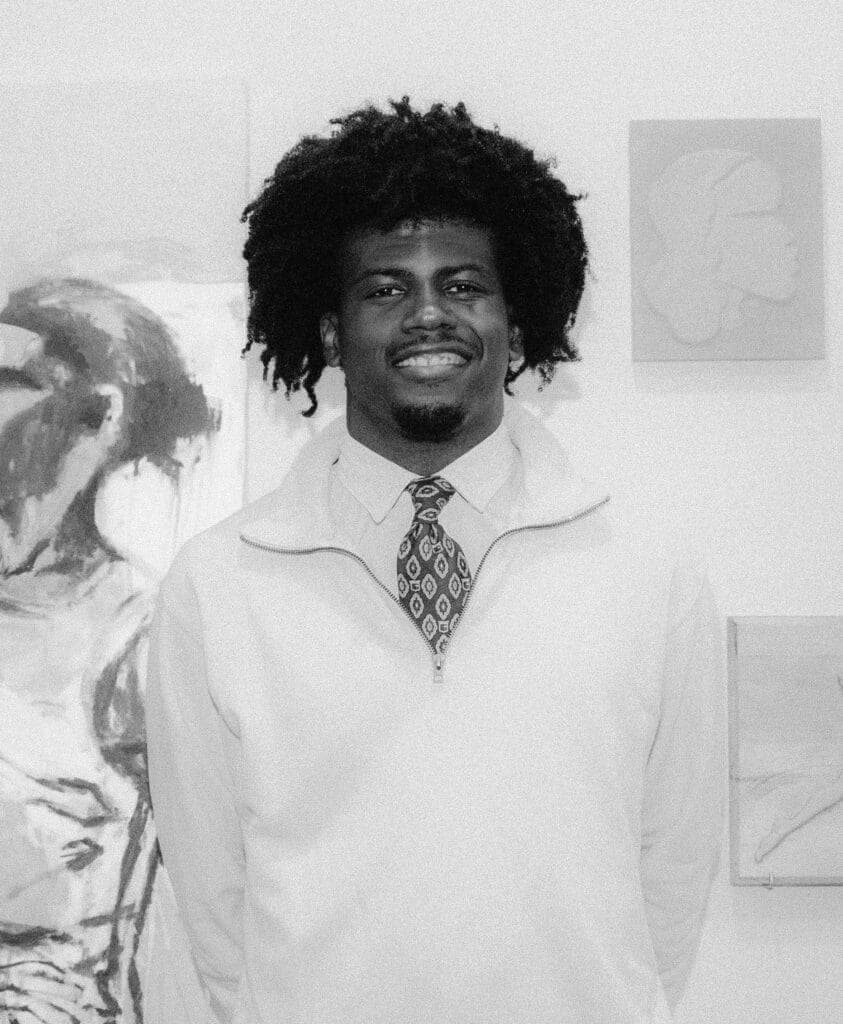
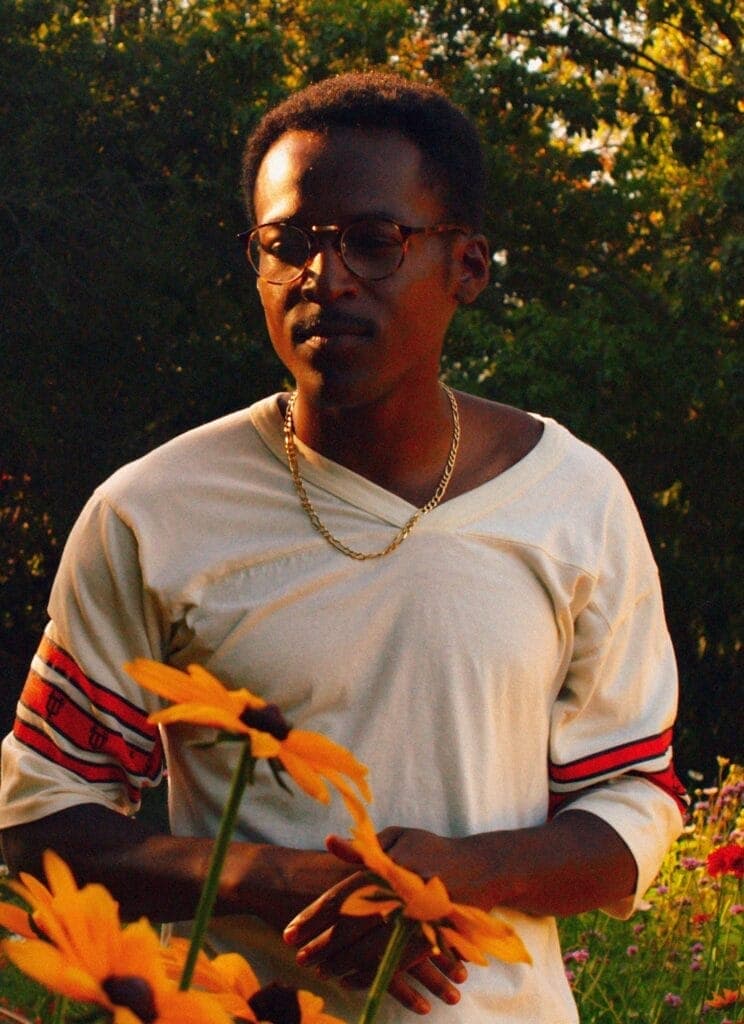
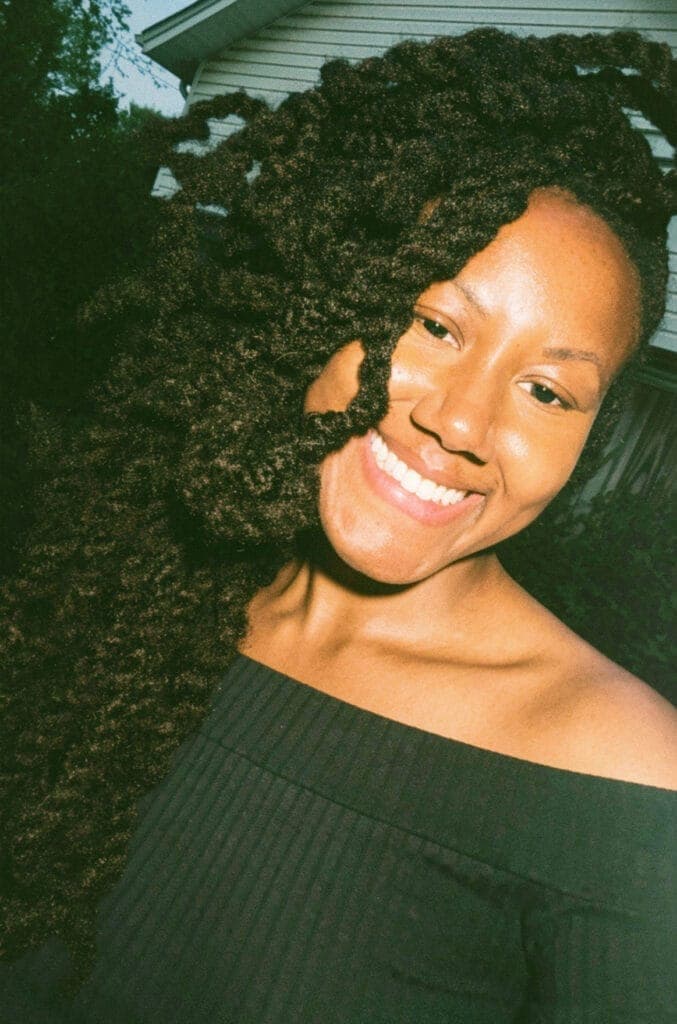
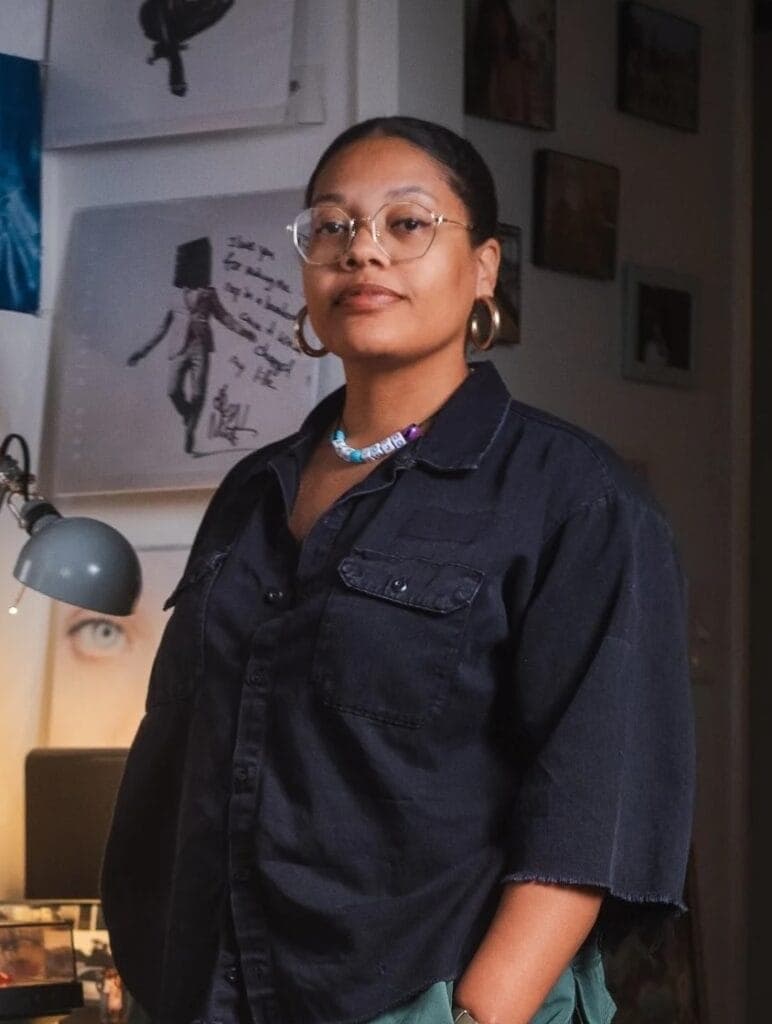
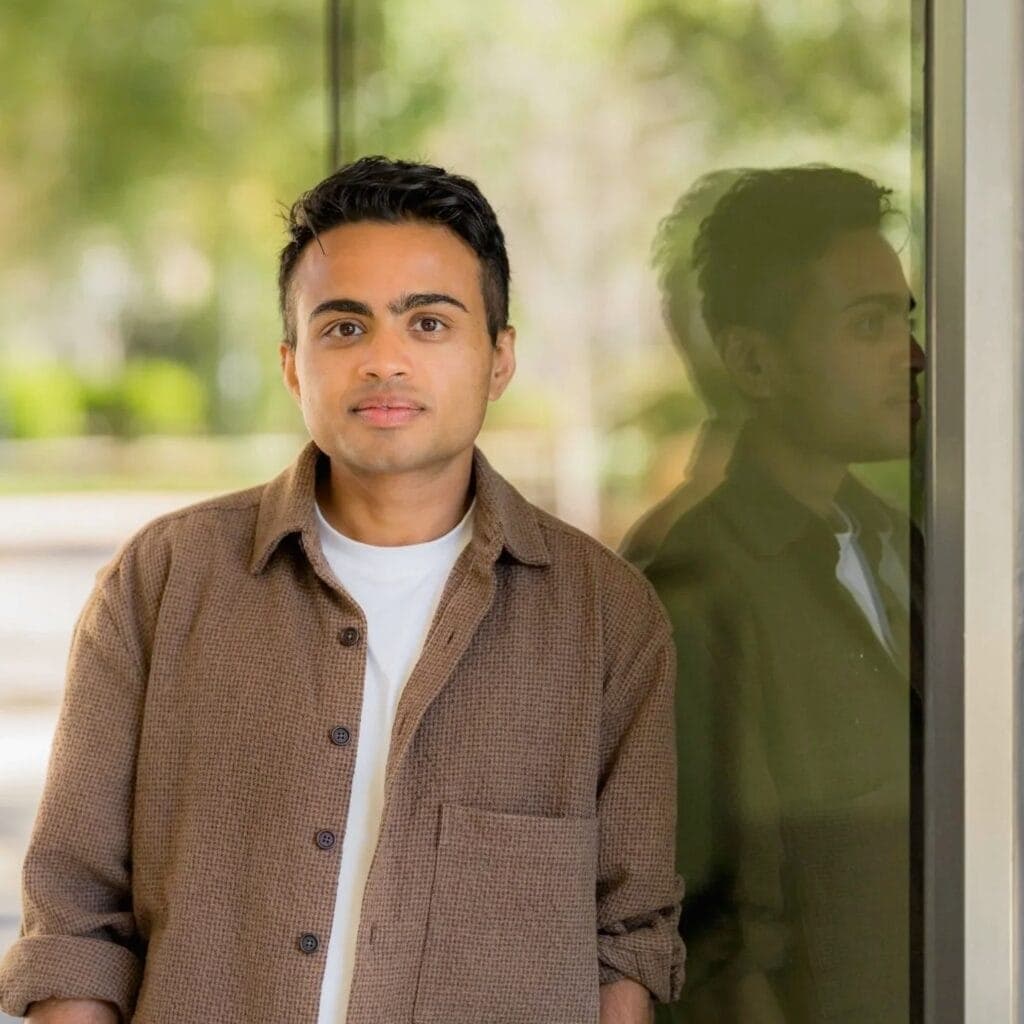
Hopelab is excited to welcome the inaugural cohort of our artist-in-residence program. Four emerging artists are invited to help reimagine what youth well-being can look and feel like. Over three months, these residents developed new work at the intersection of art, liberatory mental health, and community care. Their creation reminds us that artists do more than reflect culture — they help shape what becomes possible.
The cohort was supported by two mentors and spent a week at the Djerassi Resident Artists Program.
Before systems shifted, artists named what was possible and made people feel it before they could imagine the changes. Every liberation movement has had artists at its center to hold grief and joy together and build imaginative capacity in communities that needed to believe another world was within reach.
The dominant narratives about young people’s well-being — who suffers, who heals, what healing looks like, whose inner life is worth tending — were written without young people in the room. Changing these narratives starts with changing our culture of care.
For young people navigating not designed for their thriving, art practice creates conditions that move people from awareness to imaginative action. With Hopelab’s residency, we want to engage young artists in envisioning the future we want now and center creativity and imagination as tools for healing and systemic change. Creativity and art are how people transform the raw materials of life experience into meaning and shared culture, essential to our collective well-being and liberation.
Hopelab believes that art is essential to narrative change and liberation. We want to invite young artists to bring their full creative vision into contact with Hopelab’s research, beliefs, and community — and to reshape how we understand well-being in the process. During the residency, emerging artists are invited to create new work or finish existing projects that live at the intersection of art, mental health, and the futures we’re trying to build together.