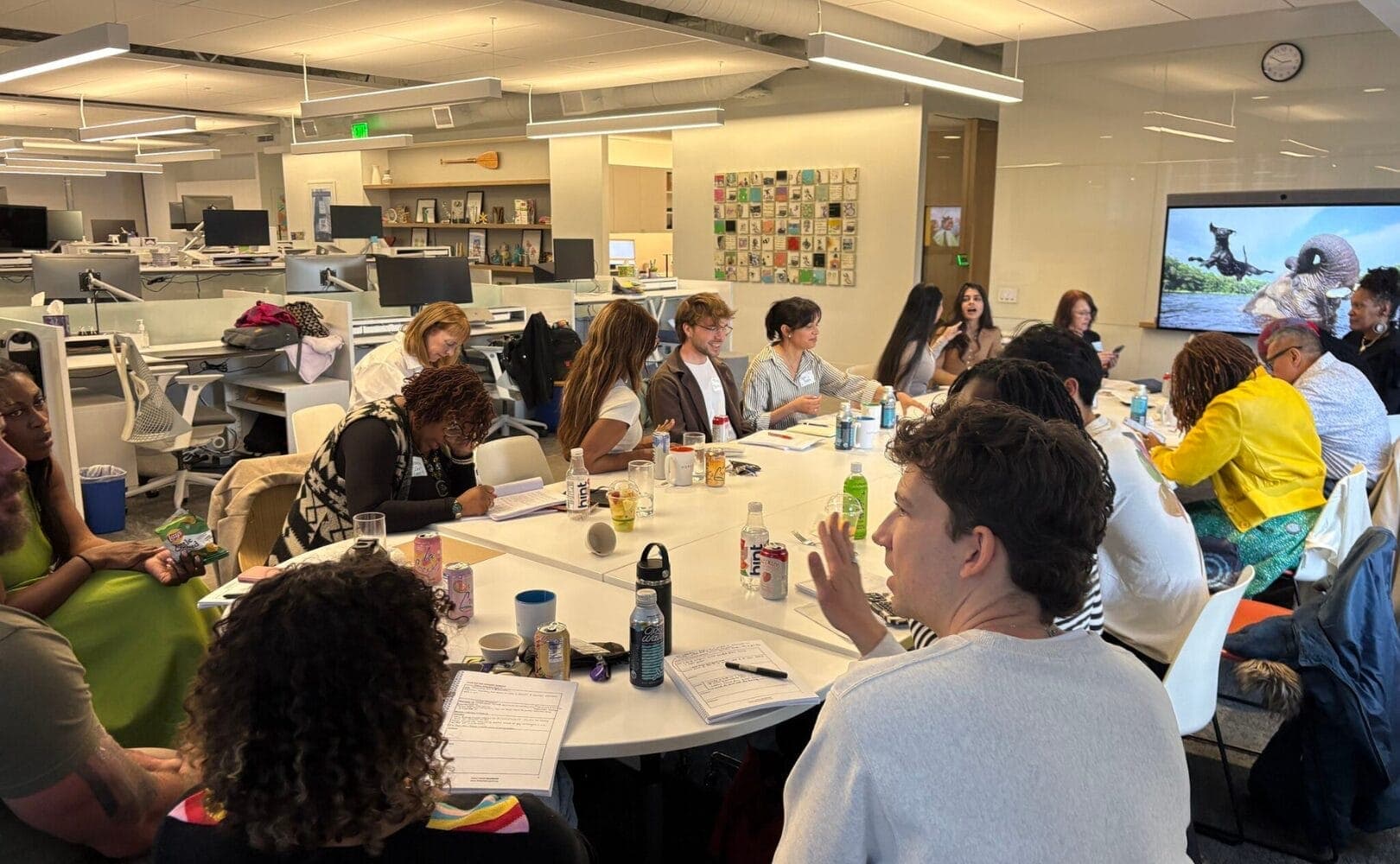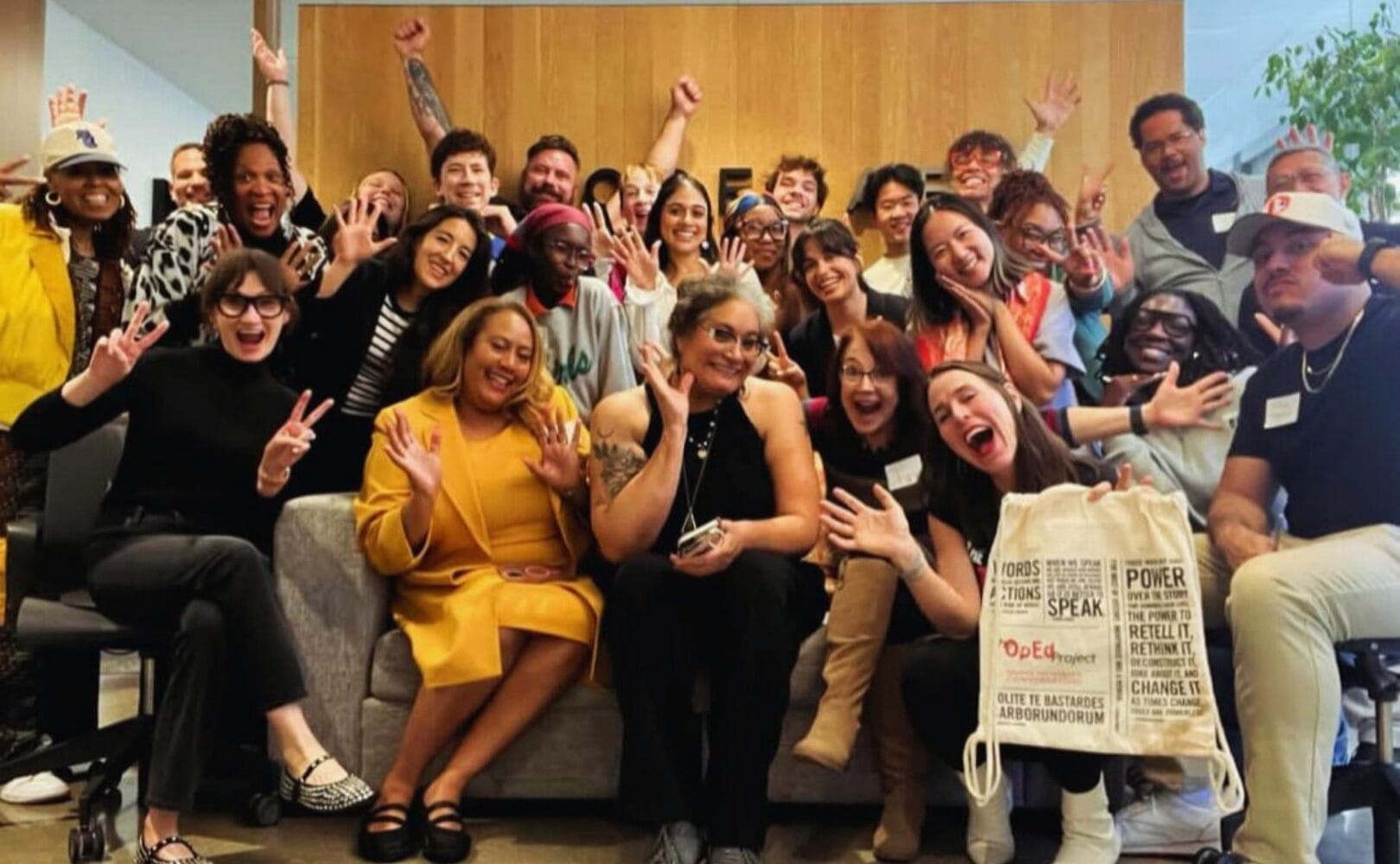
I met Maddie at a convening that Hopelab co-hosted a few years ago with our partners at the Arthur M. Blank Family Foundation. We gathered young leaders and adult allies together in the same room to imagine what intergenerational leadership could look like in youth mental health and well-being. Maddie is the founder of NoSo, an organization dedicated to educating young people about social media’s addictive design and its impact on mental health. At the end of our gathering, she proposed co-mentorship as a model to make intergenerational partnership real.
Not long after that, Maddie and I connected again to explore how we might engage in co-mentorship. We gave it a go and, a couple of years later, we’re still actively mentoring one another. At the core of the co-mentroship model is the belief that we can learn from each other. We embrace our generational differences and are mindful that our relationship is not defined solely by that dimension.
You might have somebody like Maddie in your life, someone who has shifted how you think about the future of youth mental health. Trusting somebody is important, but it’s different than sharing power. Sharing power is a more expansive approach. It requires more than connection and belief. To change how big decisions that impact youth well-being are made and how funding flows, we need to change mindsets. Who is an expert? What stories are told? Who has a platform? These are things we’re trying to change through our work at Hopelab.