When I was a teenager, deep in the throes of youth empowerment work, I held the title of “Youth Advisor” for many organizations. For some, that name carried a genuine responsibility: I was making real, important choices in collaboration with my peers and adults in leadership roles. I learned things I could take back to my own efforts, and I was taken seriously. But for most, I quickly learned that the weight of an organization having a “Youth Advisor” existed solely in their checklist, branding, and ability to have a headshot of me —braces and all — next to their staff members.
In our world here at Hopelab, we are all too familiar with this dichotomy. Young people are often told they will have opportunities to take on leadership roles, only to realize that their participation is shaped and restricted by the adults in power.
In 2024, Hopelab launched its policy department with a commitment to continue our foundational belief: meaningful change for the mental health and well-being of Black, Brown, and Queer young people cannot be designed for them—it must be built with them. Then, in 2025, we hired our first-ever policy interns, both young people, and worked closely with them to build our policy platform and identify our priority states and areas of focus.
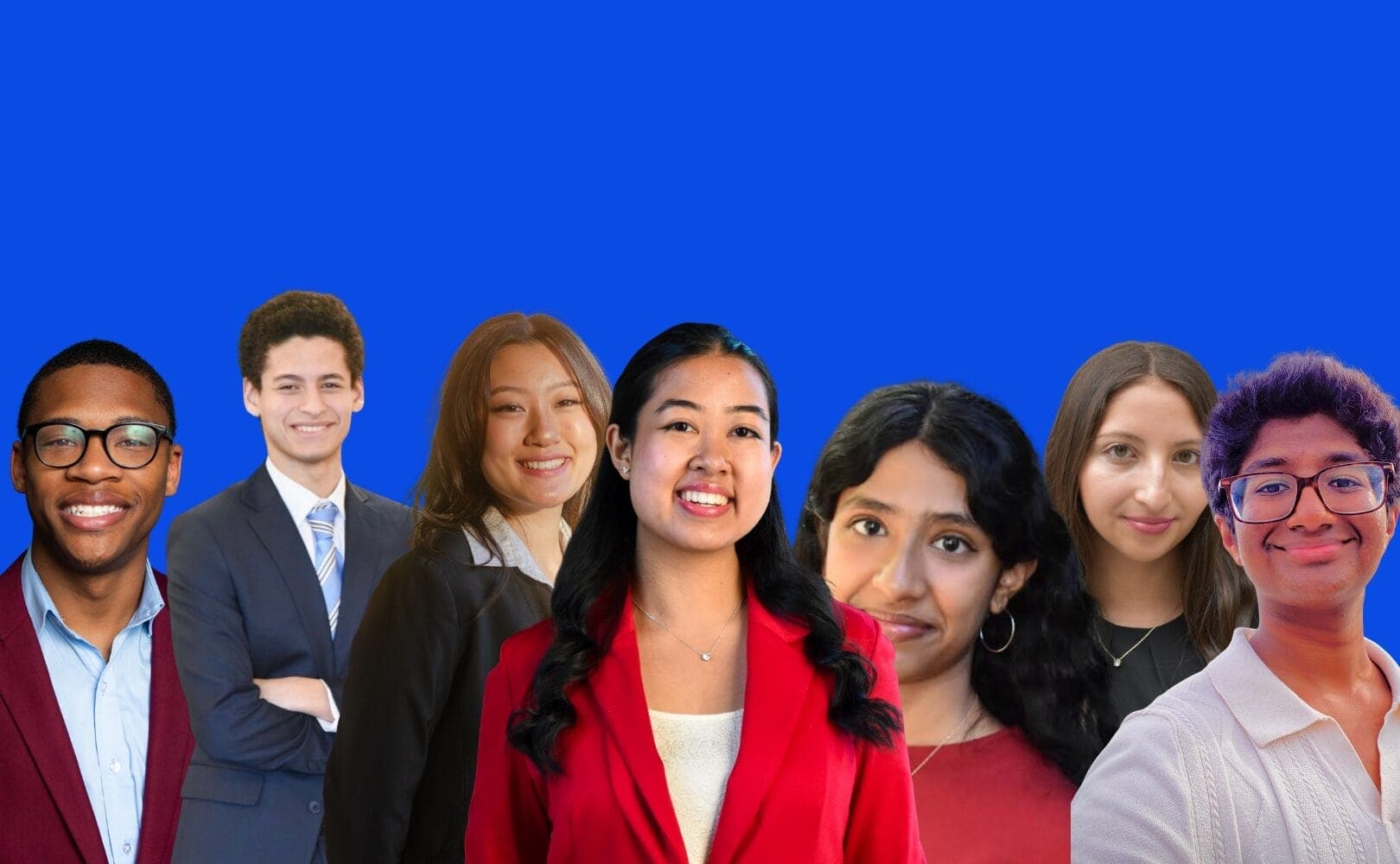
This evolution led to the creation of Hopelab’s inaugural Youth Policy Cabinet, a collective of seven young leaders, ages 18 to 22, who are helping shape the future of youth mental health policy alongside us. Representing eight states and bringing expertise that spans rural equity, disability rights, toxic stress in childhood, AI, and other pressing issues, these members are not serving as symbolic advisors. They are co-creators, strategists, and thought partners helping bridge the gap between lived experience, research, and policymaking.