Pouring into Partnership
By Julie Tinker
“Every time I connect with Hopelab, I leave feeling affirmed and reminded of the good work I’m doing. Thank you for creating a space where HBCU faculty feel poured into rather than extracted from…”
These are the words of gratitude that greeted me when I opened up my email after hosting Hopelab’s HBCU Translational Science Fellows for an in-person convening. It got me reflecting on the kind of partnerships I want to create and what “meaningful impact” has the potential to be.

Let me break it down.
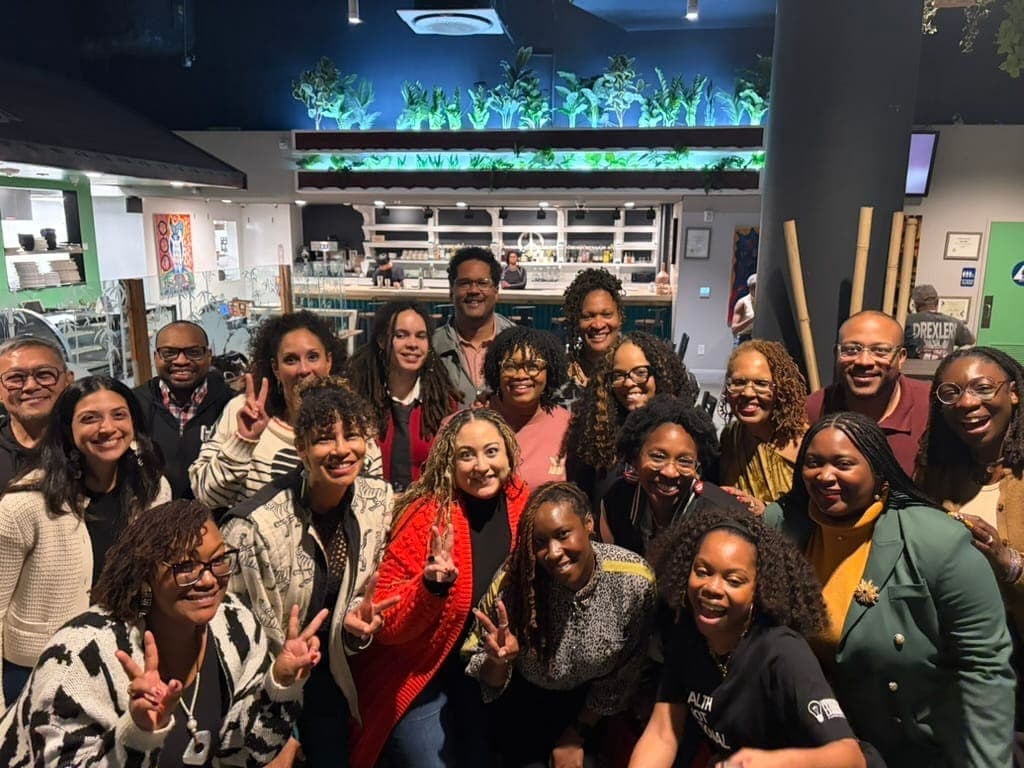
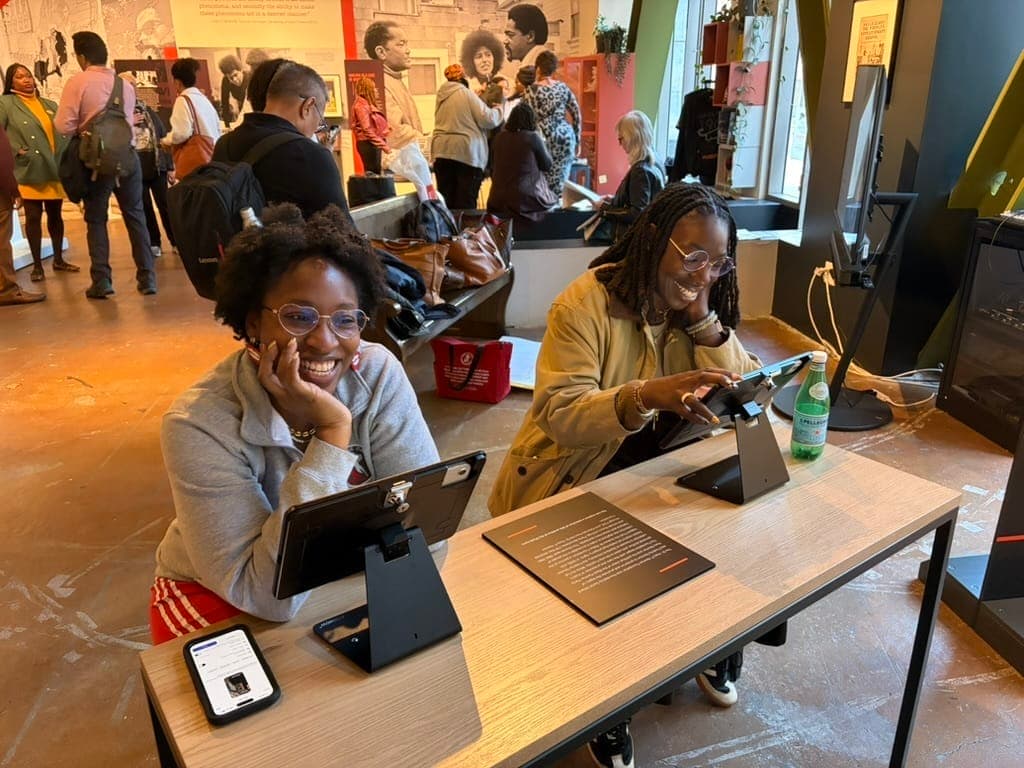
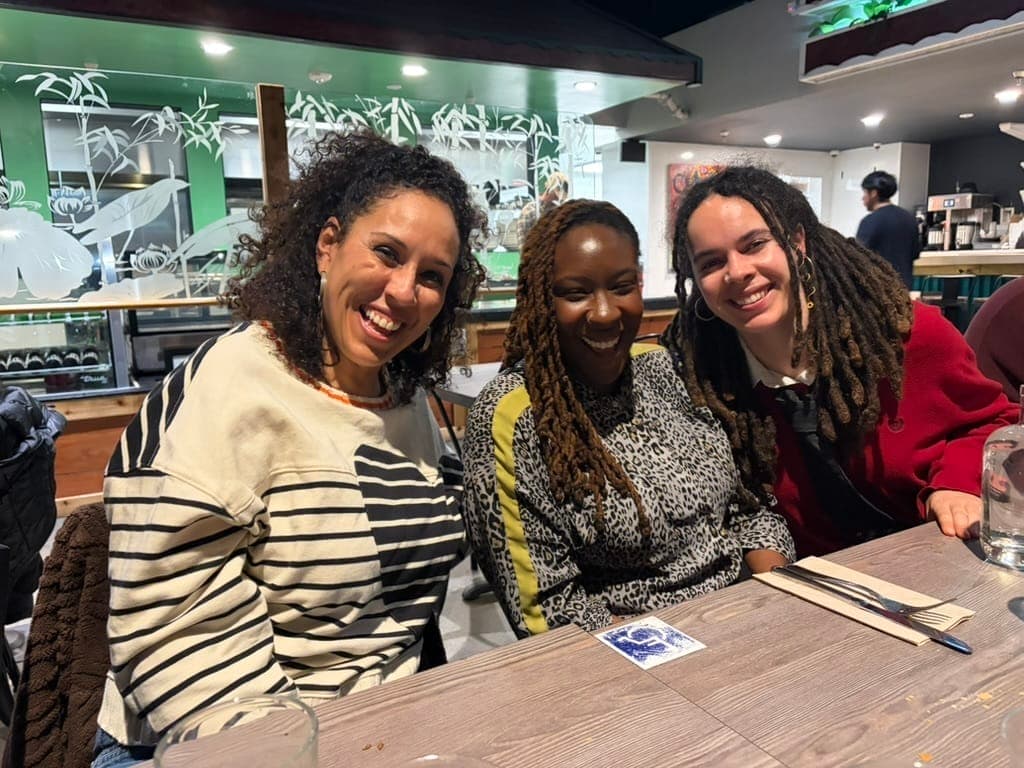
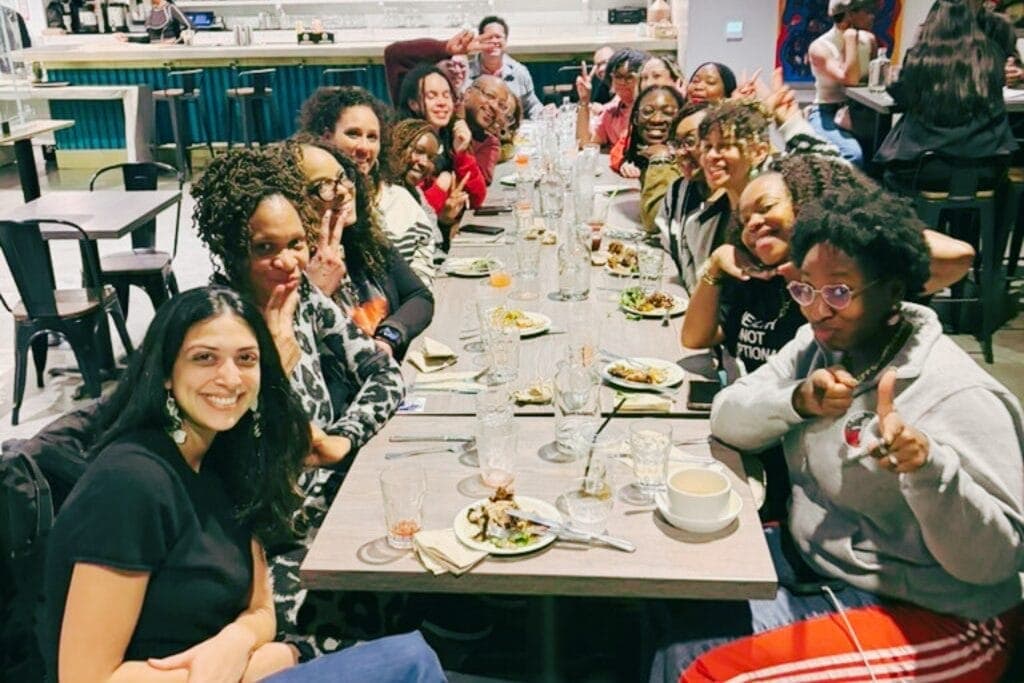
Earlier this month, Hopelab welcomed our HBCU Translational Science Fellows to the Bay Area for a multi‑day convening that mixed policy discussions, project planning, and deep reflection with good food, shared purpose, and joy. We hosted sessions on narrative change, explored how to move research into practice, and mapped the assets each fellow brings to their campus, community, and to each other. We shared meals, visited the Dr. Huey P. Newton Foundation’s Black Panther Party Museum, and even sprinkled some dancing into a happy hour, ‘science fair’ event. It was scholarship and strategy, yes—but also celebration, rest, and repair.


Disrupting the Partnership Metrics
Too often, partnerships and fellowships are built on a different logic: expectations and deliverables. The pattern is familiar to most of us. A partner or funder shows up when they need something—data for a report, a quote for a panel, access to students or a community, or to check a ‘needs’ box. The underlying question becomes: What can you do for us? When engagement is mainly about extracting expertise or stories, people are reduced to what they can produce, and usually on a deadline. Ironically, this transactional approach often undermines the very goals these programs claim to pursue—equity, innovation, connection, support, and sustainable impact.
It got me thinking when I read this email from one of our fabulous fellows that maybe there is a more impactful model in leading this program: invest in the whole person, not just the output. For our Fellows’ convening, that meant designing an experience where policy sessions sat alongside practices that nourish the spirit. We created time for narrative change work and project planning, and we also made room for shared meals where conversations flowed easily from research challenges to family, music, and home. At the Black Panther Museum, fellows reflected together on legacies of resistance and imagination that shape their own commitments. An amazingly honest and warm closing circle at the end of the event, the sound of laughter over dinner, and the sight of people in fellowship together (embrace the pun), told me as much about the health of the partnership and this program as I need to know.

Fellows in Fellowship
Some moments stood out. Fellows who had only met on Zoom stayed long after sessions ended, trading ideas, offering to review each other’s proposals, and talking about their students. Staff and partners were not just “presenters,” but fellow learners, sharing their own experiences that might support fellows’ research and projects while simultaneously learning from their peers’ expertise. There is seriousness—the stakes of HBCU work and a focus on Black youth mental health are high, and support is deeply needed—and there is ease with each other, I believe, because people felt seen, and encouraged to center learning and connection. The fellows were there to also be honored for all that they bring.
Pouring into Possibility
When people feel “poured into,” the effects ripple outward. Their work becomes more sustainable because they are not running on depletion. Their connections are stronger, making it easier to collaborate across institutions and geographies. Their sense of possibility expands, and with it, the reach of their influence on students, colleagues, and communities. Over time, this kind of investment strengthens researchers at HBCUs as anchors of innovation and care, reverberating across Black and Brown communities that look to HBCU institutions and researchers as youth mental health field leaders for opportunity and belonging.
So it’s really more than a kind note to me. It’s a metric. It is a measure of program success, not only by what participants produce, but by how they feel, the relationships they build, and the power they are better able to exercise on behalf of their communities. I hope to ask our fellows, “Did you leave feeling affirmed? Did your network deepen? Did this experience help you thrive?” At Hopelab, we are committed to building partnerships that would let us answer yes. Our work with HBCU faculty is rooted in affirmation, grounded in assets, and designed so that everyone involved—fellows, students, and communities—can not just persist, but truly thrive.