Somethings connects teens and young adults with Certified Peer Specialist mentors who have “been there before.” What first convinced you that near‑peer mentorship could move the needle on youth mental health, and what early signals are you seeing that it works at scale?
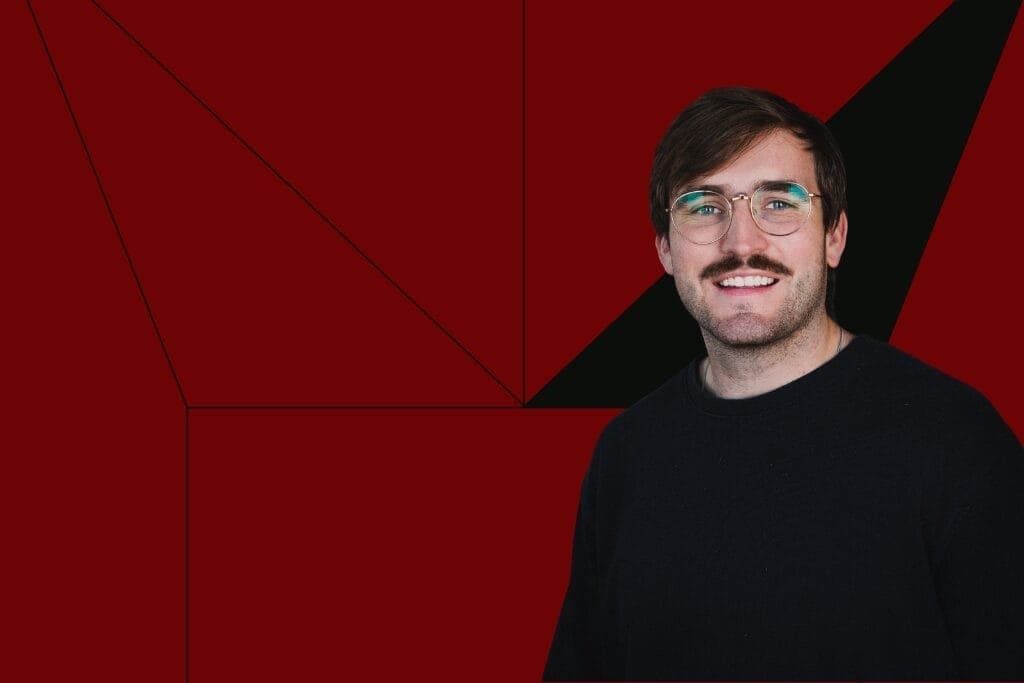
Patrick: Somethings is deeply personal to me. As a child, I struggled with an eating disorder and tried many traditional services, but none of them felt effective or truly supportive. The one thing that did help was connecting with a peer who understood my experience and met me where I was. That experience showed me the power of peer support. Years later, while I was in college, a classmate died by suicide. That loss made it clear to me that I needed to do something more. I began by informally mentoring a few young people to see if peer support could help others the way it had helped me. From there, the idea grew and eventually became Somethings.
As for early signals at scale, the data is telling. Through partnerships with Medicaid programs, state agencies, and school systems across the United States, the platform has supported over 11,000 teens, improved depression symptoms in 67% of users, and resolved suicidal ideation of 59% of teens. With 1,100x user growth over the past year and demonstrated clinical outcomes that traditional models struggle to achieve, Somethings is proving that peer connection paired with professional oversight can meet young people where they are and keep them engaged in ongoing support.
Somethings is intentionally “not therapy,” instead centering human connection, early intervention, and lived experience. How do you help young people and families understand when peer support is the right fit on its own, and when it should complement more traditional clinical care?
Patrick: We are very clear about what Somethings is and what it isn’t. Somethings isn’t therapy — it’s something different. It’s real human connection from real people who’ve been there before and want to help. That distinction matters enormously, because the way families and teens receive support is shaped by how it’s framed.
The reality is that only one-third of teens get access to mental health care in the U.S., and many teens have decided that mental health care isn’t for them. Certified Peer Mentors at Somethings reach youth who otherwise wouldn’t engage at all. We also know some young people need more. That’s why, in parallel, we have built our clinical therapy services in a stepped care model for those who need therapy or prefer that service. Peer support and clinical care aren’t in competition — they’re complementary layers of the same system, and the right fit depends on where a young person is in their journey.
Many of the young people you serve navigate intersecting identities and overlapping stressors—from racism and discrimination to family pressure and financial strain. How does your model, and the way you recruit and support mentors, reflect mental health as intersectional rather than one‑size‑fits‑all?
Patrick: It starts with who our mentors are. The mentors on our platform are ages 20–29 and provide near-peer support, enabling more authentic connections and trust with young people ages 13–26. These are young people who grew up in the same era as the teens they’re supporting — they understand the social media landscape, academic pressure, identity questions, and the cultural contexts those teens live in.
We also make sure our training reflects that complexity. All peers must complete an external training program approved by the state where the teen is being served, and then complete an internal training program covering topics such as de-escalation and culturally affirming care. Employees also receive ongoing supervision and continuing education.
Culturally affirming care isn’t an add-on for us — it’s foundational to the model. A teen navigating racism or discrimination needs a mentor who can hold that experience with them, not minimize it.
Somethings uses technology, including AI, to prepare mentors and support safety while keeping human connection at the center. How do you balance tech‑enabled insight with the fundamentally human nature of peer support, and what should potential partners and investors know about the value this model creates for young people and for systems like schools, health plans, and states?
Patrick: Our rule is simple: technology should make our mentors more human, not less. We use a HIPAA-compliant AI tool to give peer mentors summaries before they re-engage with a client, flag upcoming stressful events a teen previously mentioned, and surface insights into a client’s interests — so mentors show up more prepared and more present. The AI never talks directly to a teen. It just makes sure the human who does is ready.
On safety, our AI provides tools for peer mentors to screen for safety and enable clinical escalation when necessary — so if a situation becomes serious, the right people are alerted, and the right steps happen fast. A teen in crisis needs a person, not a chatbot. We’re built around that belief.
For partners and investors, the system-level value is clear. Our model reduces reliance on high-cost services like emergency departments and inpatient treatment by intervening earlier and keeping youth engaged in ongoing support — helping plans and states improve outcomes while lowering the total cost of care. Across more than 11,000 teens served through partnerships with schools, Medicaid plans, and state agencies, 67% users experienced a reduction in depression, 66% in anxiety, 62% reported improved well-being, and 59% resolved suicidal ideation.
Those are the outcomes that matter. And we’re delivering them at scale through a model that puts human connection first — with technology in the background making it stronger.