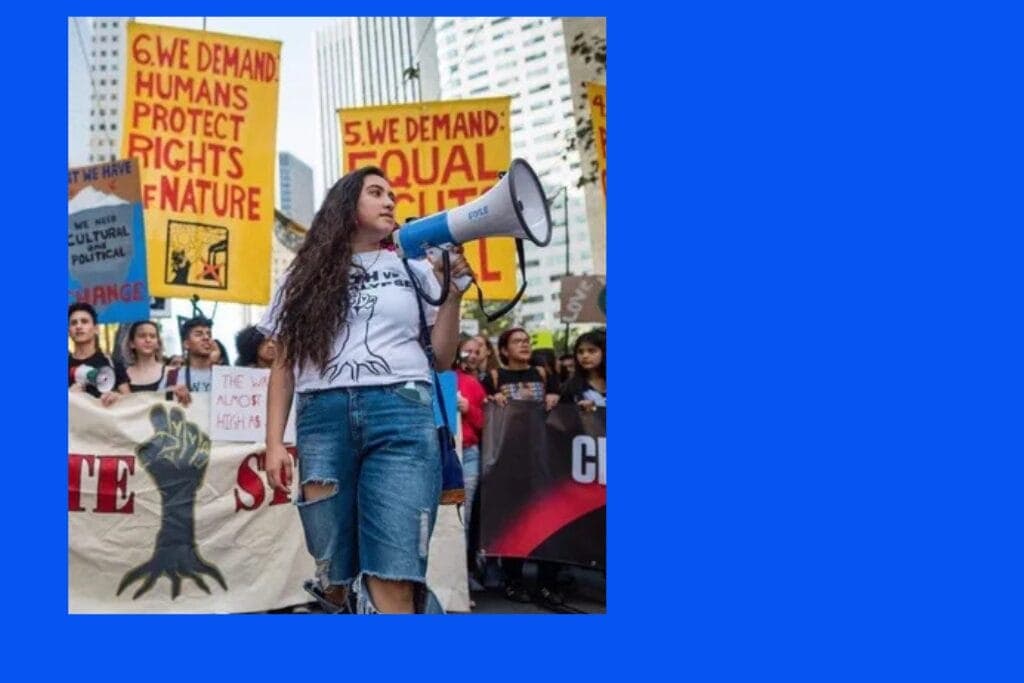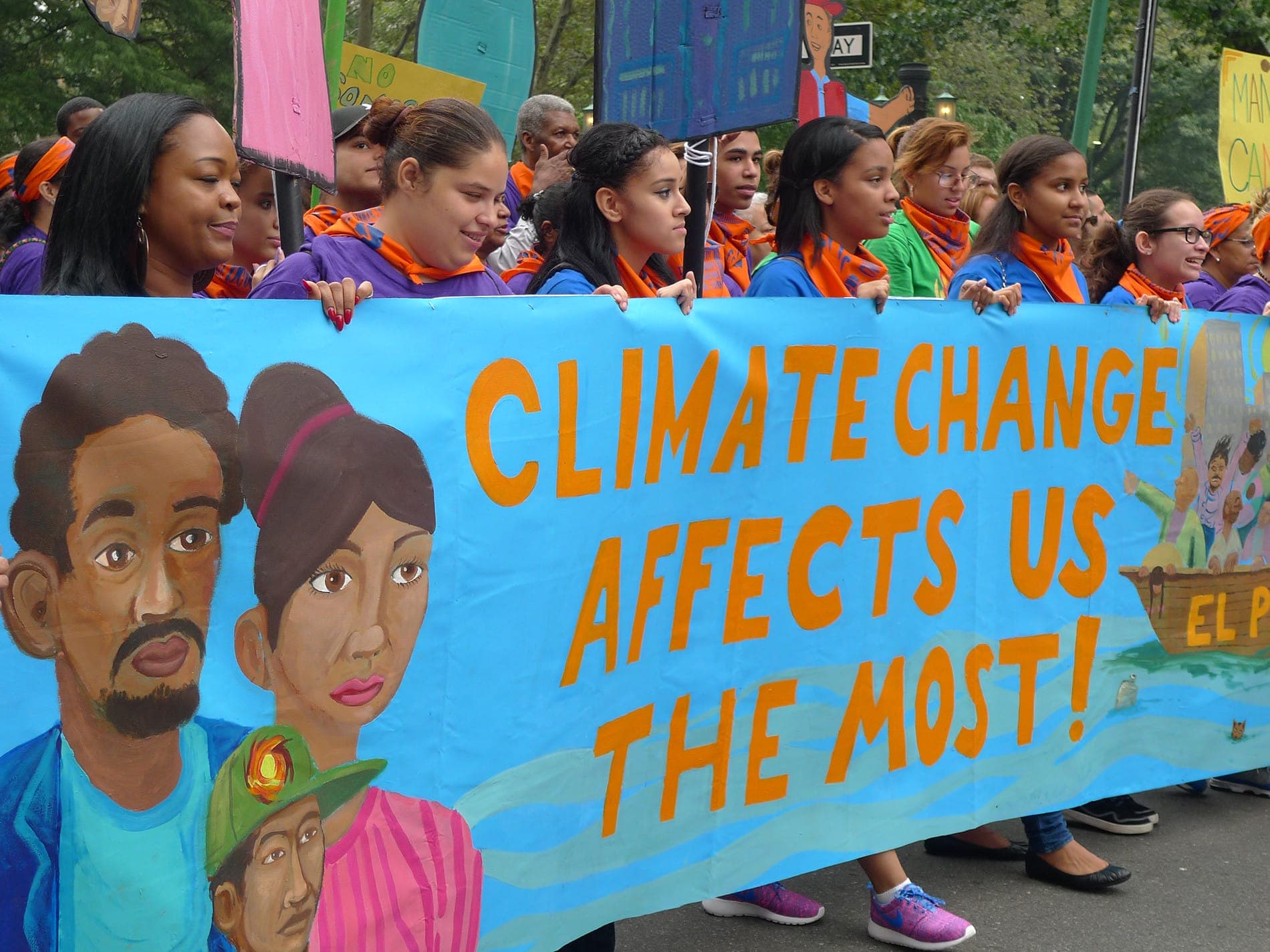
Young people feel the effects of climate anxiety every day. They are bombarded with information about climate change and its frightening implications for their future at school, in the news, and online. And many youth, especially those in underserved communities, experience the acute effects of climate injustice on a daily basis. Their physical and mental health are compromised by climate-related natural disasters and carbon-related pollution. These issues weren’t caused by Gen Z, and it’s both unjust and unrealistic to expect Gen Z to solve them alone. Fighting climate injustice requires intergenerational participation. We have the opportunity to support the mental health and psychological resilience of Gen Z-ers, particularly youth of color, as they navigate the impacts of climate change, by co-designing relevant social and emotional resources with them. The Hopelab team recently explored the intersection of climate change and youth mental health, speaking with young activists, climate psychologists, and clinicians.